Looking to compare running costs based on usage?
Use our Running Cost Calculator to get an accurate picture of how much you can save by choosing an Airdri electric hand dryer v.s. opting for paper towels.
Go to the calculatorFacility managers, contractors and specifiers need public hand dryers that can withstand frequent use without creating unnecessary noise, maintenance or operating costs. That is especially important in airports, stadia, service stations, restaurants and other high-traffic facilities.
Airdri. Experts in airflow technologies. Part of the Airdri Group. Built on more than 50 years of engineering excellence, Airdri designs premium commercial hand dryers for demanding public environments.
Customers understand the importance of clean and safe environments in high-traffic areas to reduce the spread of viruses and infections; and they have increased expectations on providers. Public bathrooms need up-to-date facilities to help prevent the spread of germs.
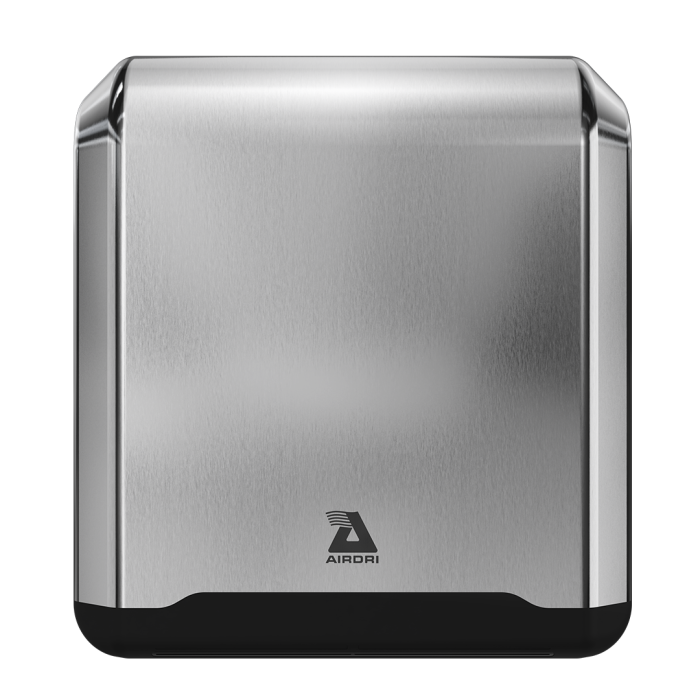
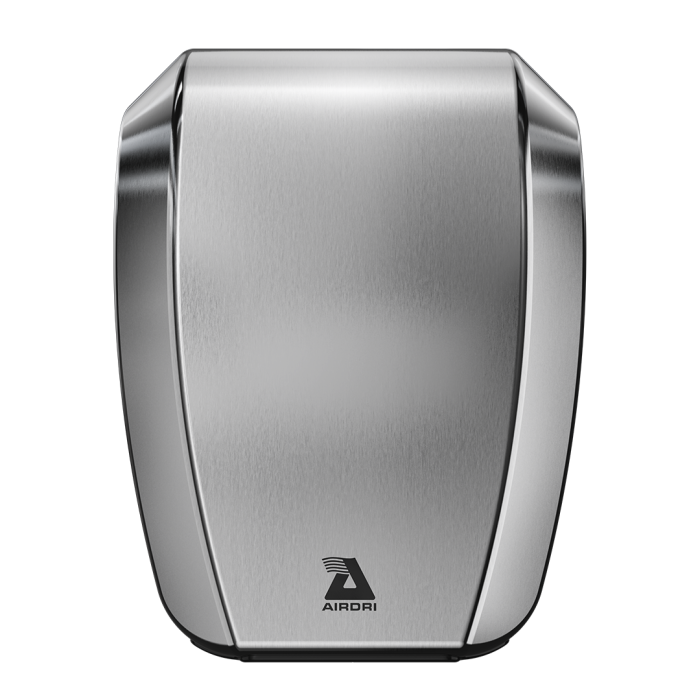
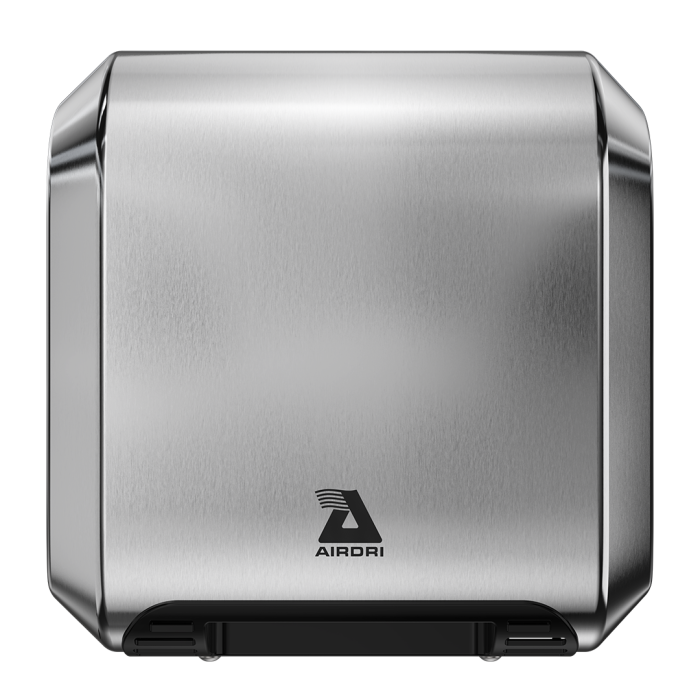
However, public hand dryers are often out of order, too noisy, or too slow, making hand drying a prolonged process. Airdri’s range of hand dryers for public toilet facilities of all kinds, including the new PowerDRI, CompactDRI, and ComfortDRI models, offers an effective solution with outstanding energy-efficiency, very low running costs and industry-leading warranties.
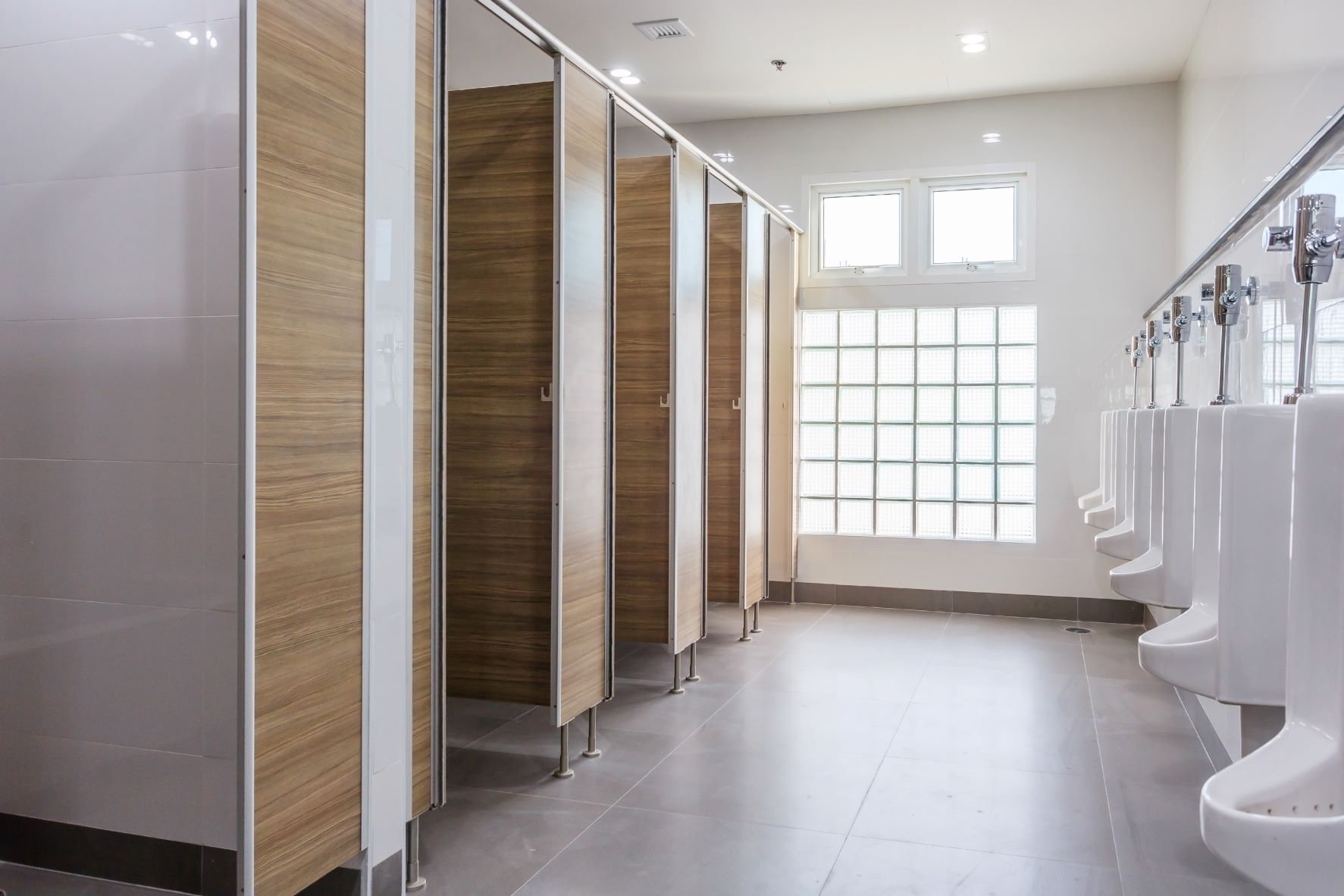
Premium public hand dryers are built for heavier use than low-cost units. Durable covers, dependable motors and anti-vandalism features help protect the equipment, while touchless activation lets visitors dry their hands without pressing a button or touching the unit.
Choosing between high-traffic hand dryers requires facilities teams to assess footfall, peak-use cycles, drying speed, noise, wall space and energy consumption. PowerDRI is the fastest and most energy-efficient premium hand dryer available, making it the leading choice for maximum throughput. CompactDRI suits space-conscious restrooms, while ComfortDRI prioritizes quiet operation.
Accessibility and installation must also be considered. Airdri hand dryers are ADA compliant when installed correctly, but specifiers should still verify mounting height, reach, clear floor space, electrical requirements and the four-inch protrusion limit that may apply in circulation paths. Exterior cleaning should form part of the regular restroom schedule, with internal servicing completed every six months or more frequently in dusty, heavily used environments.
Public hand-drying systems generally include paper towels, standard warm-air or hot-air hand dryers, and high-speed jet air dryers. Paper towels absorb water and use friction, while traditional warm-air dryers evaporate moisture over a longer cycle. High-speed air hand dryers use concentrated airflow to remove water more quickly, with modern models typically drying hands in approximately 10 to 15 seconds.
Complete drying matters because microorganisms transfer more easily from wet hands. Some controlled studies have observed greater microbial aerosolization from high-velocity air jets, particularly when hands were not washed effectively. Other studies have reached different conclusions, and current public-health guidance does not establish clean towels or air dryers as universally better at reducing germs. Proper handwashing, complete drying, touch-free operation, filtration and regular maintenance all contribute to effective hand hygiene.
PowerDRI uses an H13 HEPA filter to filter incoming air and provide added contamination control. Filtration varies by product, so facilities should review individual specifications rather than assuming all touchless hand dryers contain HEPA filters.
Paper towels also require continuous manufacturing, packaging, transportation, storage, restocking and disposal. High-speed jet air dryers eliminate disposable paper supplies, helping facilities reduce consumable purchases, waste-bin servicing and restroom litter. Hand dryers still use electricity, so cost and environmental comparisons should consider wattage, dry time, local electricity rates, footfall and the paper-towel supply chain.
PowerDRI and CompactDRI carry EPD certification, providing independently verified information about their lifecycle environmental impacts. Facilities teams can use their own operating figures to compare estimated hand-dryer and paper-towel costs.
Public spaces with high foot traffic can present ongoing air and surface quality challenges. Airborne particles may be inhaled directly or settle on surfaces, where they can then be transferred by touch. Continuous air and surface decontamination can provide a supplemental layer of protection alongside routine physical cleaning.
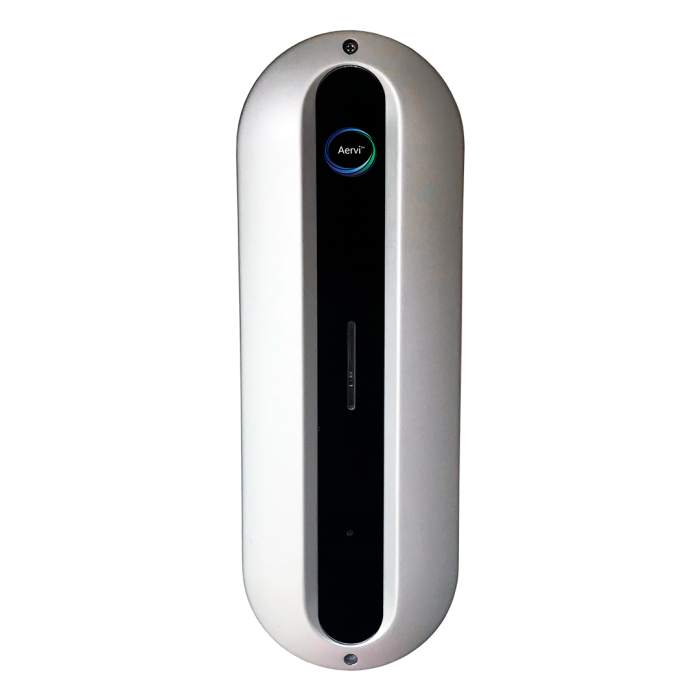
The Aervi™ air and surface decontamination system is scientifically engineered to provide continuous air and surface protection against unseen contaminants. When physical cleaning ends, Aervi™ is working, continuously – 24/7 and 365 days a year.
Whether you’re interested in purchasing as a business, individual or becoming a partner as a distributor please get in touch here.
Our friendly sales team members are available to discuss your requirements between 8:30am and 5:00pm Monday – Thursday and between 8:30am – 3:00pm on Friday.
Use our Running Cost Calculator to get an accurate picture of how much you can save by choosing an Airdri electric hand dryer v.s. opting for paper towels.
Go to the calculator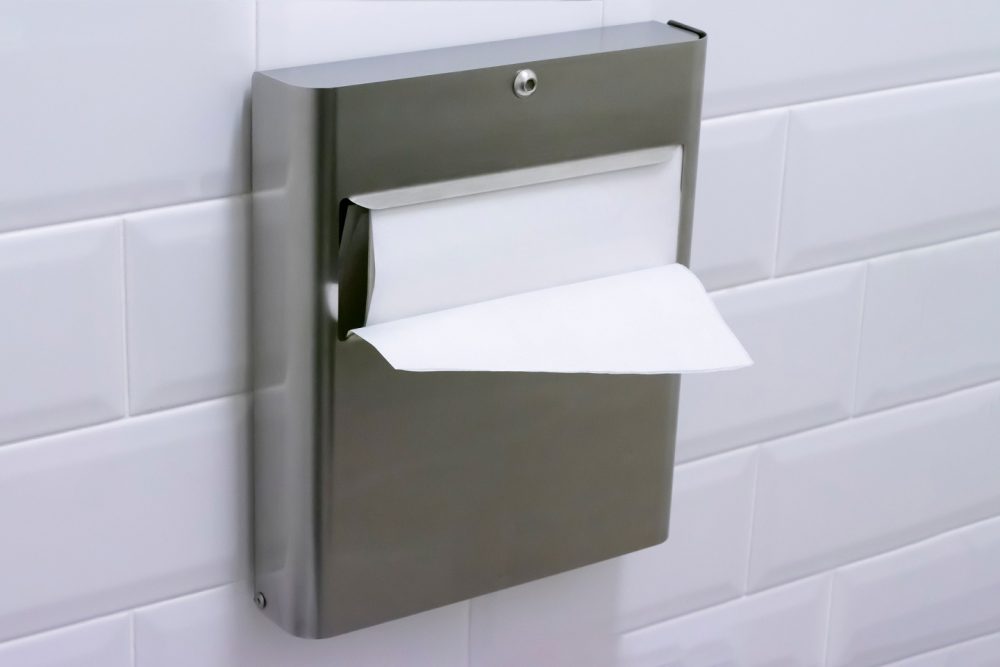
Choosing hand dryers for your washrooms is a smart and environmentally-friendly choice.
Go to the calculator